The MedConnect blog
Practical guides, field insights and analysis for professionals deploying telemedicine.
 Technology
 Hospital Telemedicine Software in France: 2026 Comparison and Selection Criteria
Which telemedicine software should a hospital choose? A 2026 comparison of Rofim, Omnidoc, M-Covalia, Enovacom Nomadeec, Parsys and MedConnect, plus 8 selection criteria: hosting, EHR interoperability, IT, tele-expertise and hardware.
 Practical Guides
 How to Choose a Telehealth Platform in 2026: Selection Criteria and 7 Platforms Compared for Provider Organizations
Seven selection criteria, the questions to ask every vendor, and a dated comparison of Doxy.me, Teladoc Health, Amwell, VSee, Zoom for Healthcare, SimplePractice and MedConnect.
 Technology
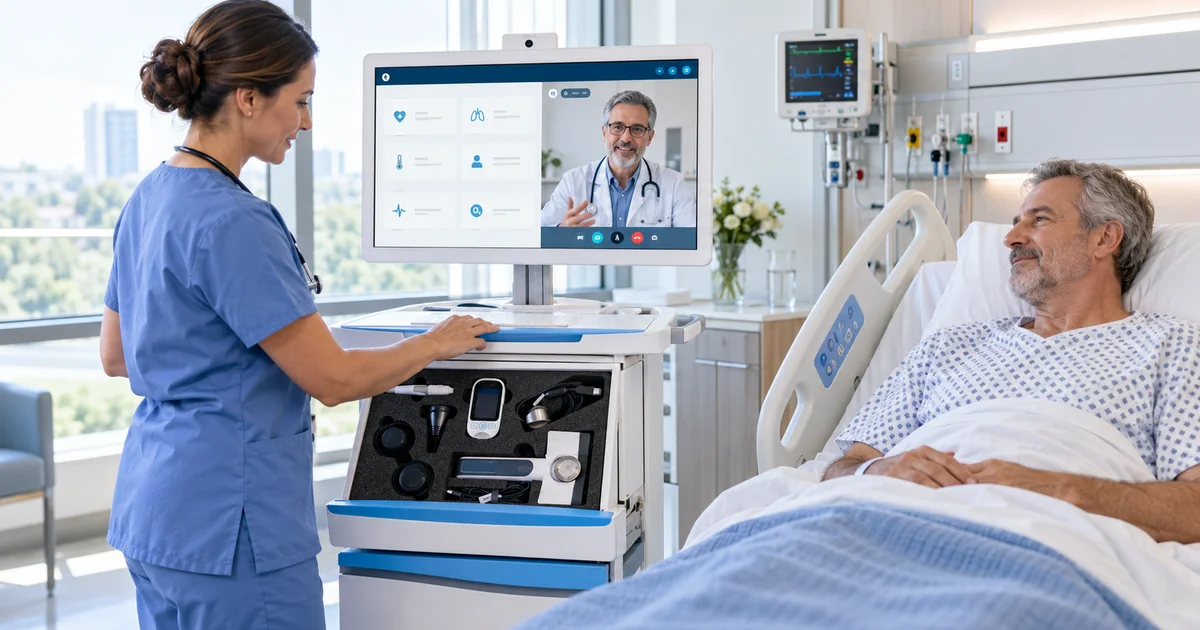
 Best Telemedicine Software for Hospitals (2026): 8 Platforms Compared
Virtual nursing, tele-ICU, telestroke or assisted exams: eight hospital telemedicine platforms compared on connected devices, EHR integration, deployment and published pricing.
 Technology
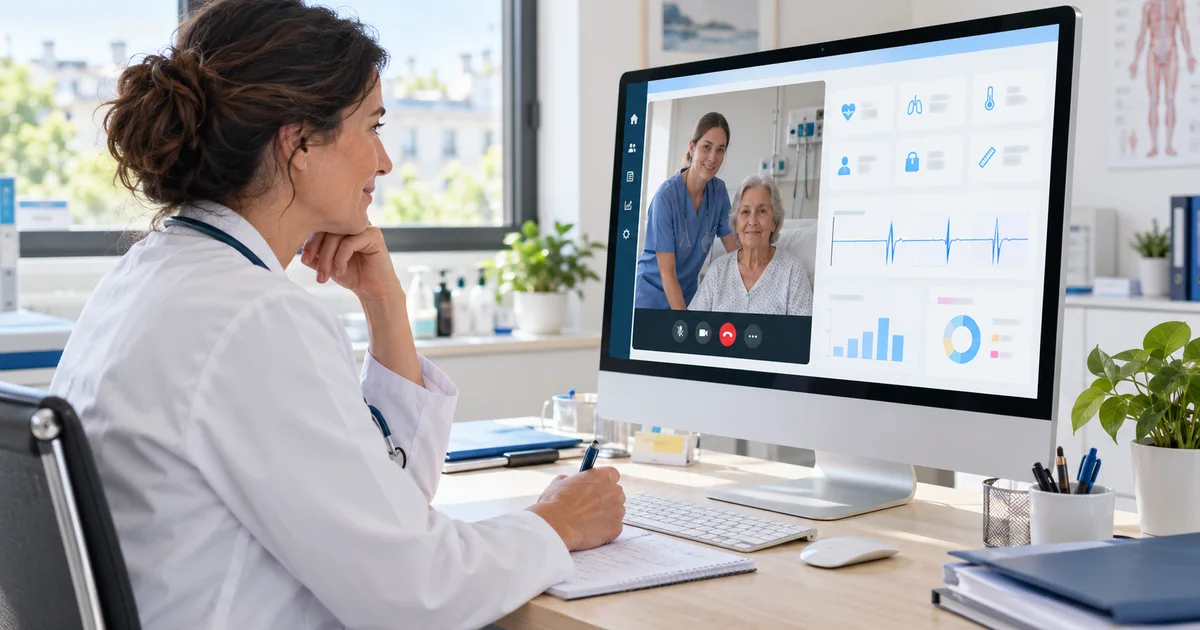
 Best Teleconsultation Software for Healthcare Professionals in 2026: 7 Solutions Compared
Doctolib, Medaviz, Medadom, Qare, Healphi, Rofim and MedConnect compared: who each is for, nurse-assisted visits, connected devices, HDS hosting and published prices as of October 1, 2026.
 Medical Devices
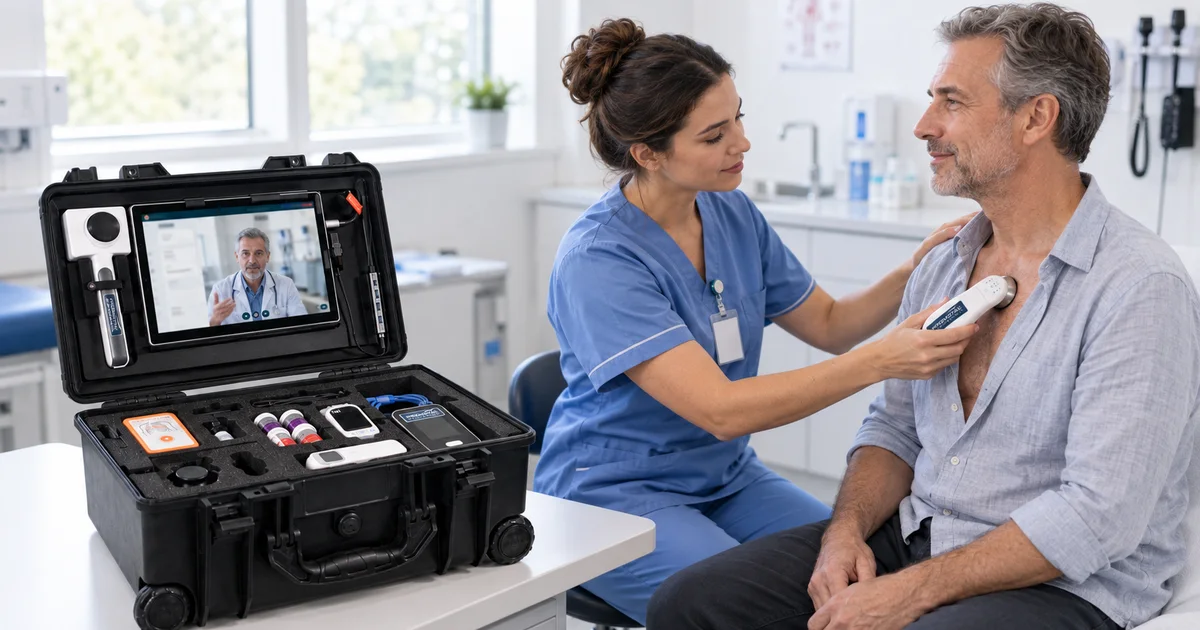
 Best Telehealth Exam Kits for Clinical Teams (2026): TytoCare, Nonagon, GlobalMed and MedConnect Compared
Consumer handheld or clinician-assisted kit? A factual 2026 comparison of TytoCare, Nonagon N9+, GlobalMed and the MedConnect telehealth kit: devices, form factor, setting and published prices.
 Informations
 The New Promotal MedConnect Catalog Is Here
Explore the September 2026 edition: field solutions, software, patient portal, Elara, interoperability, white-label services and international deployments.
 Informations
 Promotal MedConnect Appoints NASAQ as Distributor in Saudi Arabia
NASAQ is Promotal MedConnect's new distributor in Saudi Arabia, bringing local expertise in medical equipment, digital health, logistics and regulation.
 Practical Guides
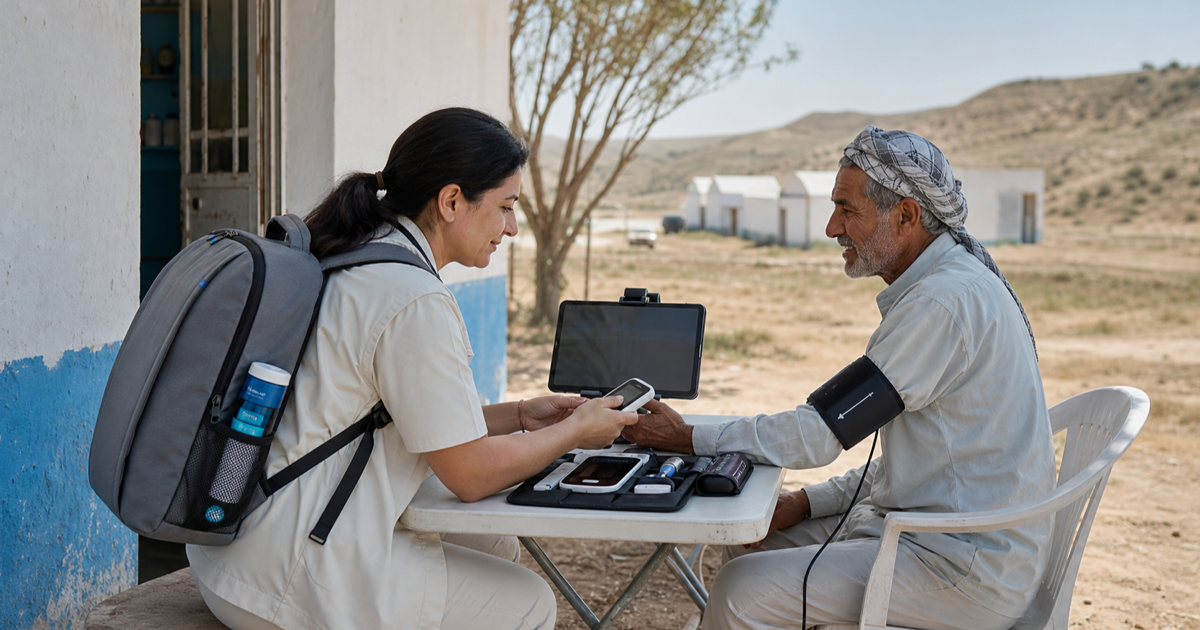
 Medical Deserts: What Telehealth Equipment Actually Restores Access to Care
Medical deserts and telehealth: why video alone does not work, what equipment enables a real remote examination, and who funds these deployments.
Practical Guides Asynchronous Telehealth: How Store-and-Forward Care Actually Works
Asynchronous (store-and-forward) telehealth explained: how it works, when to use it, when not to, and what the platform must support.
 Regulatory
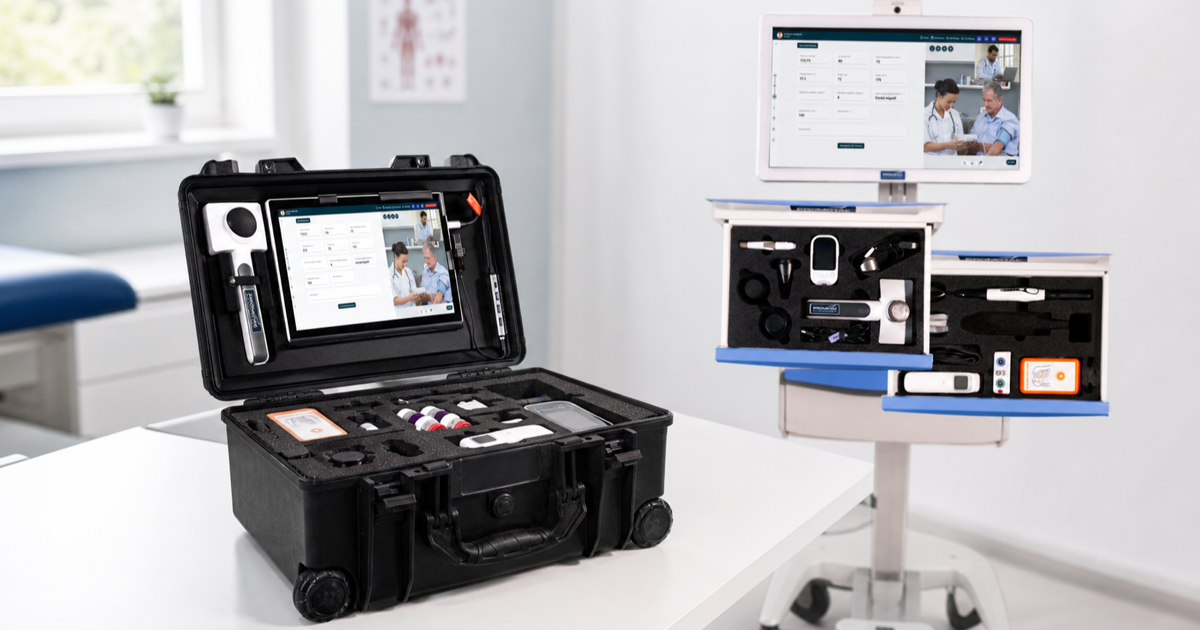
 Home Telehealth Kits vs Clinical Telehealth Kits: Which One Does Your Organisation Need?
Searches for "telehealth kit" mix $240 consumer kits with clinical systems. How to tell them apart and buy the right category for an organisation.
Regulatory HIPAA-Compliant Telehealth Platform: How to Evaluate One (2026)
What HIPAA actually requires of a telehealth platform, the checklist to put to every vendor, and why "HIPAA certified" is not a real thing.
Practical Guides How to Conduct a Remote Physical Exam: What Is Possible, System by System
What a remote physical exam can actually assess, system by system, and where the hard limits are: palpation, smell, and throat examination.
Stay informed
Get our latest articles and guides delivered to your inbox.