The MedConnect blog
Practical guides, field insights and analysis for professionals deploying telemedicine.

Remote vital signs monitoring: a major asset for telemedicine
Remote vital signs monitoring gives clinicians continuous, accurate follow-up of patients, especially those with chronic conditions, as connected devices transmit health data in real time. It improves patients' quality of life and care-team organization, but requires solving access, connectivity and data-security challenges.
Connected medical devices for telehealth: what the remote doctor actually sees
A video call is not a clinical exam. Here's what 20+ connected medical devices actually transmit to the remote doctor — and why it changes the diagnosis.
Telehealth platform on-premise vs cloud: what Ministries of Health need to know
Cloud or on-premise? For national health programs, the answer depends on data sovereignty, connectivity, and operational control. Here's how to decide.
Telehealth kit or cart: how to choose (2025)
Telehealth kit, cart or backpack: a complete comparison by clinical setting, mobility, equipment and budget to help you make the right choice.
 Informations
Remote pregnancy monitoring: which technologies should you use?
Remote pregnancy monitoring combines mobile apps, connected devices such as blood pressure monitors, smart scales and fetal Dopplers, teleconsultation and remote patient monitoring. Together they keep expectant mothers safely followed between visits, especially in high-risk pregnancies.
 Informations
Promotal Medconnect Integrates Powerful AI Capabilities
At Promotal Medconnect, our goal has always been to build tools thathelp, not hinder. That’s why we’ve been working hard on something we believe is a meaningful step forward. Today, we’re rolling out two powerful, practical AI features directly into the Medconnect platform.
 Practical Guides
How to deploy a telehealth center in a rural or remote area: a practical guide
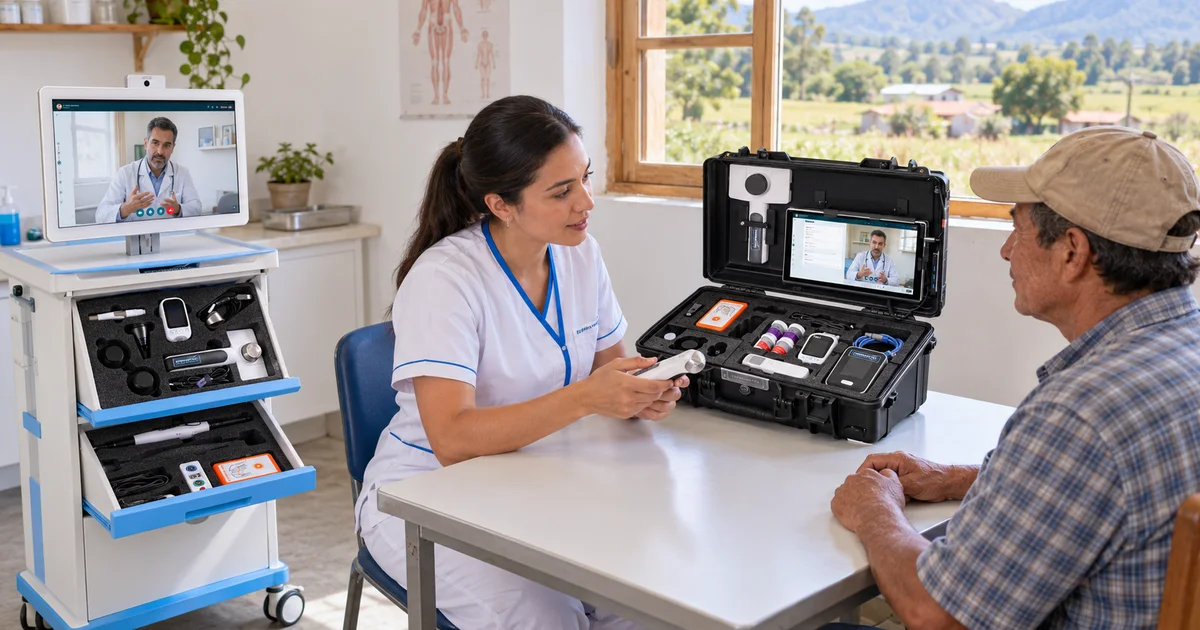
A step-by-step guide to deploying a telehealth center in rural and underserved areas: connectivity, live vs store-and-forward, the nurse-led staffing model, kit vs cart vs backpack, training and timeline.
What is assisted teleconsultation? The clinical model changing remote healthcare
Assisted teleconsultation puts a nurse with connected medical devices at the patient's side while a remote doctor diagnoses with clinical-grade data. Here's how it works.
Getting started with medical tele-expertise in France: a practical guide (2025)
How to start medical tele-expertise in France: Omnidoc sign-up, the TE1/TE2 workflow, fees, common mistakes and integration into your telemedicine software.
 Informations
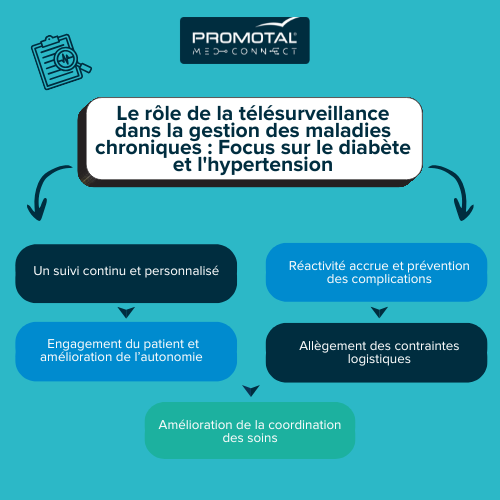
Remote monitoring in chronic disease management: focus on diabetes and hypertension
Remote monitoring gives clinicians continuous visibility on diabetes and hypertension, faster response to abnormal readings, and better-coordinated care. It helps prevent complications while sparing patients unnecessary trips to the clinic.
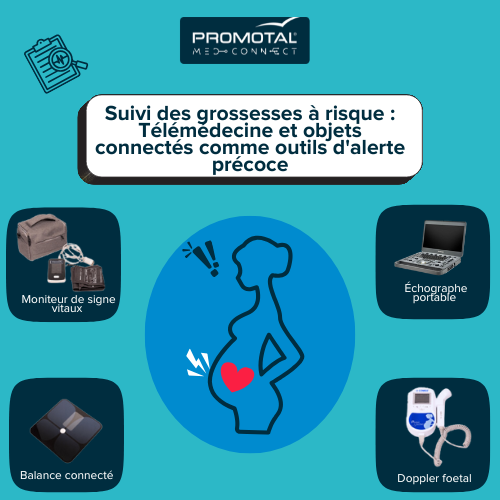
High-risk pregnancy monitoring: telemedicine and connected devices as early-warning tools
Telemedicine and connected devices are transforming high-risk pregnancy care with real-time monitoring, early detection of complications and personalized follow-up. The approach eases the burden on patients and improves coordination between healthcare professionals for safer, better-organized care.
 Informations
Managing gestational diabetes: the crucial role of telemedicine
Telemedicine improves gestational diabetes management with real-time glucose monitoring, personalized support and fewer trips to the clinic. It helps clinicians adjust treatment quickly, prevent complications and continue follow-up after delivery.
Stay informed
Get our latest articles and guides delivered to your inbox.